My research interests lie in political economy, development, corruption, organized crime, and welfare provision, with a focus on subnational politics in the Global South. In my dissertation, I examine how criminal organizations move from extorting the state to supplying it, how a ban on corporate campaign donations changed who wins public contracts, and how party coalitions divide that spending. In related work, I study how illicit capital becomes institutionalized in emerging economies, and the oversight institutions built to constrain corruption. My research employs a multi-method approach, pairing quasi-experimental designs, text-as-data, machine learning, and geospatial analysis with in-depth interviews and fieldwork.
My work has appeared in Revista E-Legis and the Journal of the General Comptroller of the Union, as well as in edited volumes on democracy and anti-corruption policy. My research has been supported by the Carl Menger Fellowship at the Mercatus Center, the Bankard Fund for Political Economy at UVA, the Institute for Humane Studies, the UVA Center for Global Inquiry & Innovation, the Quandt Fund for International Research, the UVA Quantitative Collaborative, the Lemann Foundation, and the Brazilian National Council for Scientific and Technological Development (CNPq).
Research
Research & Publications
Peer-Reviewed Articles
Published
CGU's Institutional Designs between 2001 and 2016
Silva da Costa, B. & Silame, T. · Revista E-Legis 15.37 (2022) · Portuguese
The Cost of Coalition: How Political Alliances Shape Public Procurement in Brazil
Silva da Costa, B.
BureaucracyProcurementWelfare provisionSub-nationalLatin America
Working Papers
Working Paper
Narco-Banking: How Organized Crime Becomes Banks
Silva da Costa, B. (2026)
Organized crimeIllicit economyCross-national
Working Paper
The Price of Entry: Campaign Spending Caps, Candidate Selection, and Procurement Capture
Silva da Costa, B. (2026)
ElectionsProcurementWelfare provision
Under Review
Local Authoritarianism: Appointed Mayors and Preferences for Democracy in Brazil
Gingerich, D. & Silva da Costa, B. (2026)
DemocracyBrazilSub-nationalLatin America
Working Paper
Political Connections and Corruption in Times of Crises
Silva da Costa, B., Fazekas, M. & Klašnja, M. (2026)
CorruptionCross-nationalWelfare provision
Software
R Package
electionsBR
Retrieves and cleans Brazilian electoral data · electionsbr.com
ElectionsBrazil
Teaching
Teaching
University of Virginia · Instructor of Record
2024–25
Corruption and Democracy PLCP 2500
5.0 / 5 overall effectivenessAbove the department average (4.87) and school average (4.55).
Passion & effectiveness
“Bea is an awesome, effective, and passionate teacher who anyone would be lucky to have. I truly learned a ton in this course.”
Active, varied teaching
“Bea's teaching style, which combines some lecture with small-group discussion, videos, and role-playing scenarios, really made the class time whiz by.”
Writing mentorship
“She clearly cares about her students and went out of her way to provide excellent guidance on how to write good papers.”
Student course evaluations
University of Virginia · Teaching Assistant
2024
Race and Real Estate in the US AAS 3853
Warmth & engagement
“Beatriz was a great instructor, very kind, understanding, and engaging. Big fan.”
Preparation & materials
“The TA clearly put in a lot of effort into the discussion section presentations and content.”
Inclusive discussion
“I appreciated the effort to involve everyone in discussion. My opinions and statements felt valued, which is very important for discussions.”
Student course evaluations
2024
Introduction to Comparative Politics PLCP 1010
Making material accessible
“Beatriz clearly reinterpreted the material we covered in readings and lectures and helped us understand everything holistically.”
Feedback & exam support
“The feedback and support she gave for our performance in exams was very helpful and warmly appreciated.”
Patient & supportive
“I have a great TA (Beatriz), who was very understanding, helpful, and patient with all her students.”
Student course evaluations
2024
Politics of Modernity PLCP 2420
No teaching evaluation — grading role only.
2023
Politics of Developing Areas PLCP 3012
Care for students
“Bea is a fantastic TA who really cares about her students.”
Clarity & synthesis
“Beatriz did a great job summarizing the material at the end of the week, which was very helpful.”
Research-paper mentoring
“She was very helpful when writing our research papers and constantly looked for ways to make us better prepared to write them.”
Student course evaluations
2022–23
Politics & Political Economy of the Welfare State PLCP 3120
4.6 / 5 overall effectivenessAbove the department average (4.44) and school average (4.34).
Knowledge & rapport
“She's knowledgeable, receptive, and she's honestly the best TA I've had so far.”
Clarity & organization
“The topics we learned about in class would often be complex and confusing for me, but I always felt like she clarified everything for us in a very organized way.”
Exam & paper prep
“She really tried her best to prepare everyone as well as possible for the midterm and final papers and gave really good feedback.”
Student course evaluations
Curriculum Vitae
Full record
Download the full CV for publications, presentations, teaching, and service.
All 42 interviews were with people who run or study the procurement system: civil servants, one public prosecutor, academics, and staff of civil-society and international organizations. No politicians.
Brasília, São Paulo and Belo Horizonte, 2023
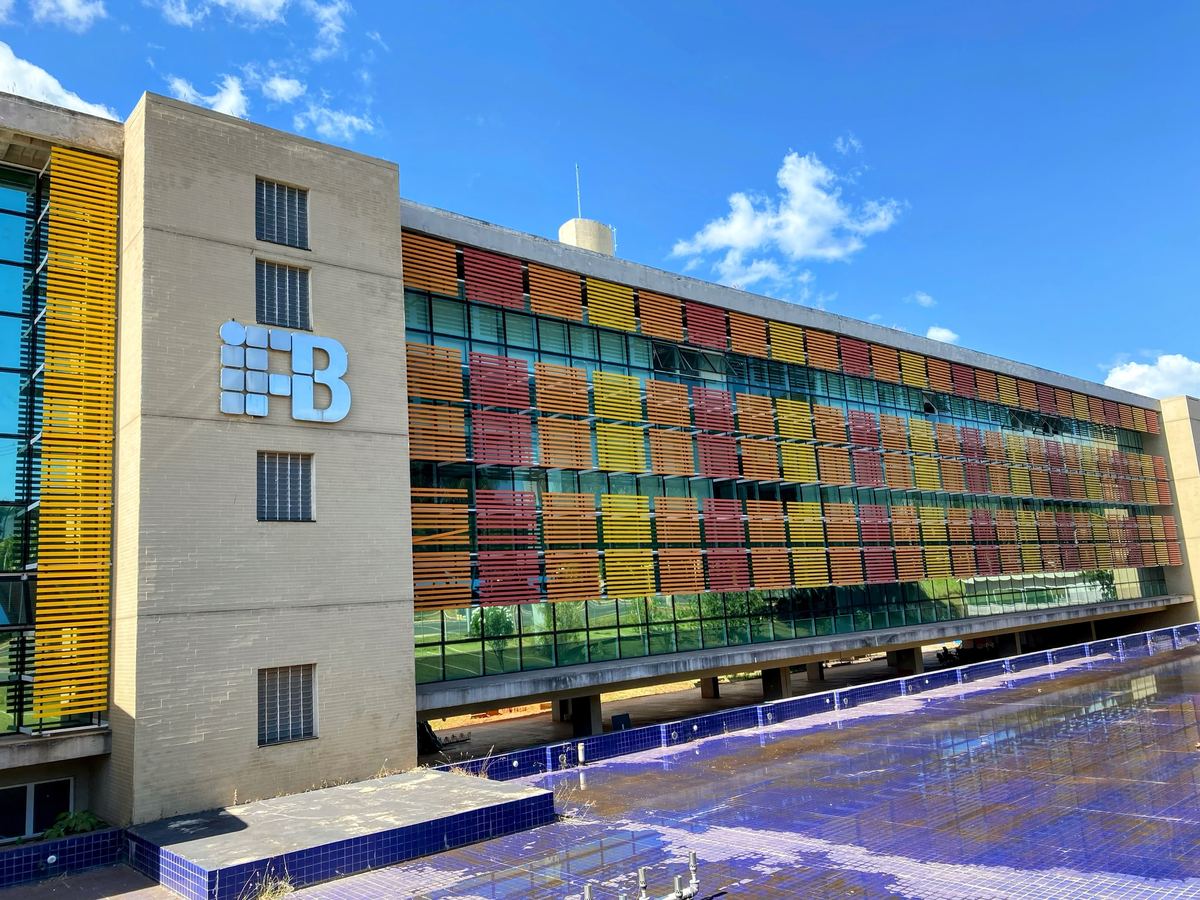
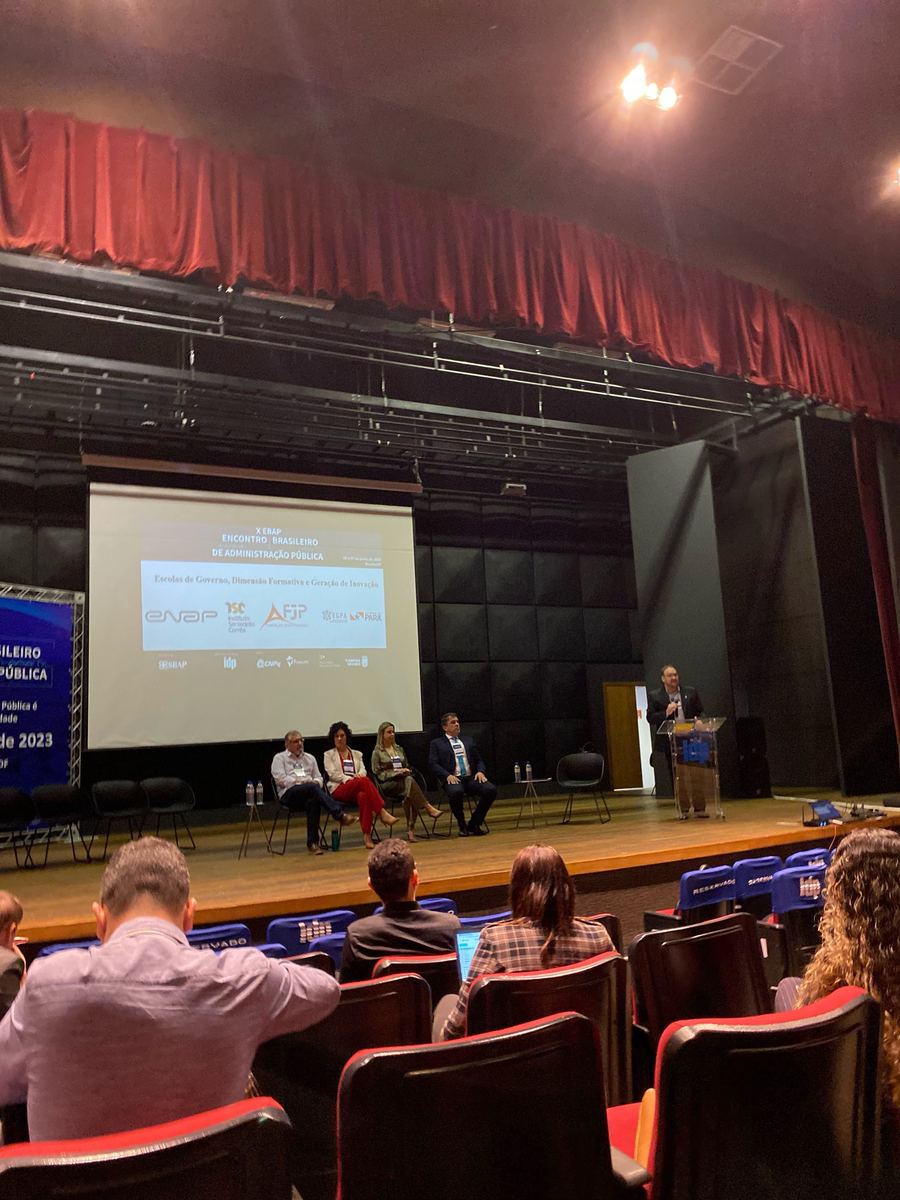
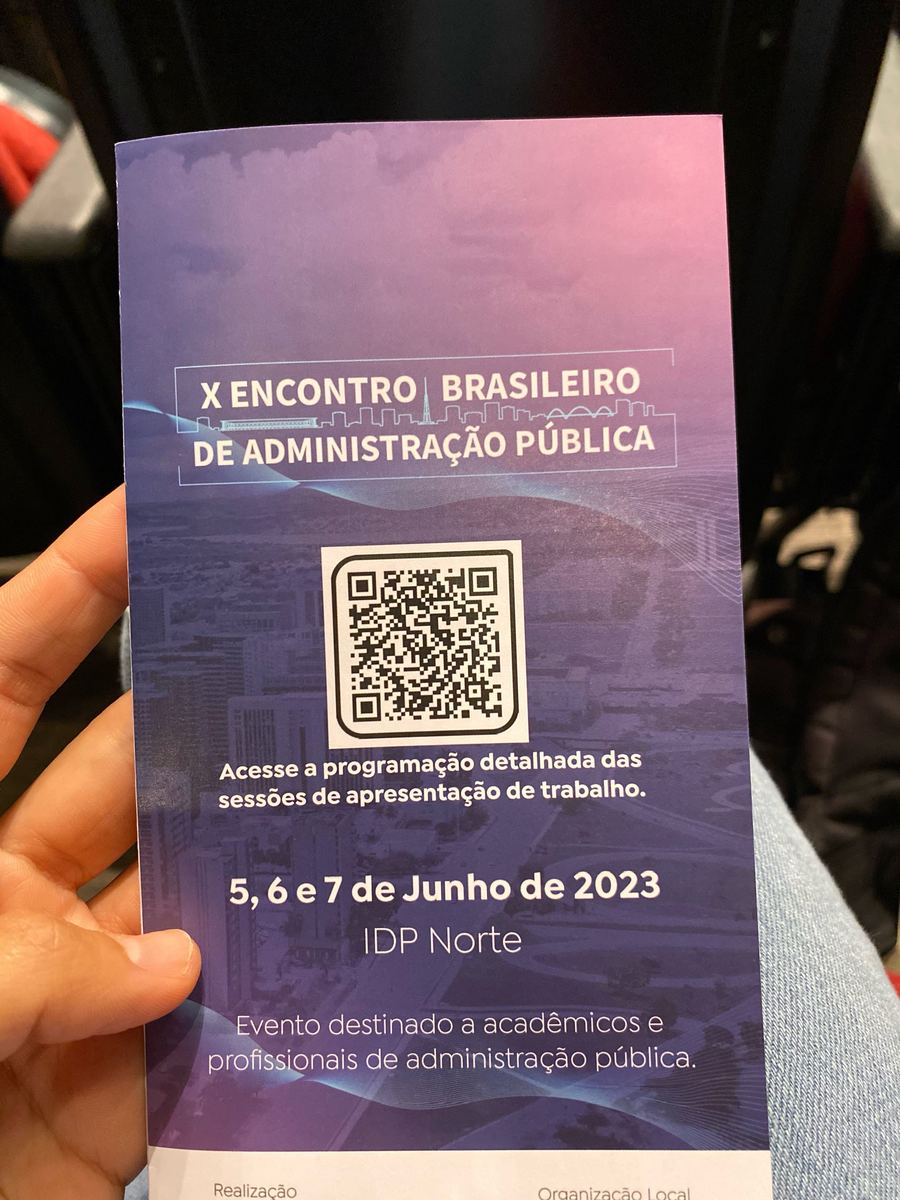
Fifteen interviews between 8 June and 15 September 2023, alongside the 10th Brazilian Meeting of Public Administration (EBAP) at IDP in June: the federal anti-corruption agency (3), the federal audit court (1), the competition authority (1), a state legislature’s purchasing department (1), academics (3), international organizations (2), and four interviews whose institution is not recorded.
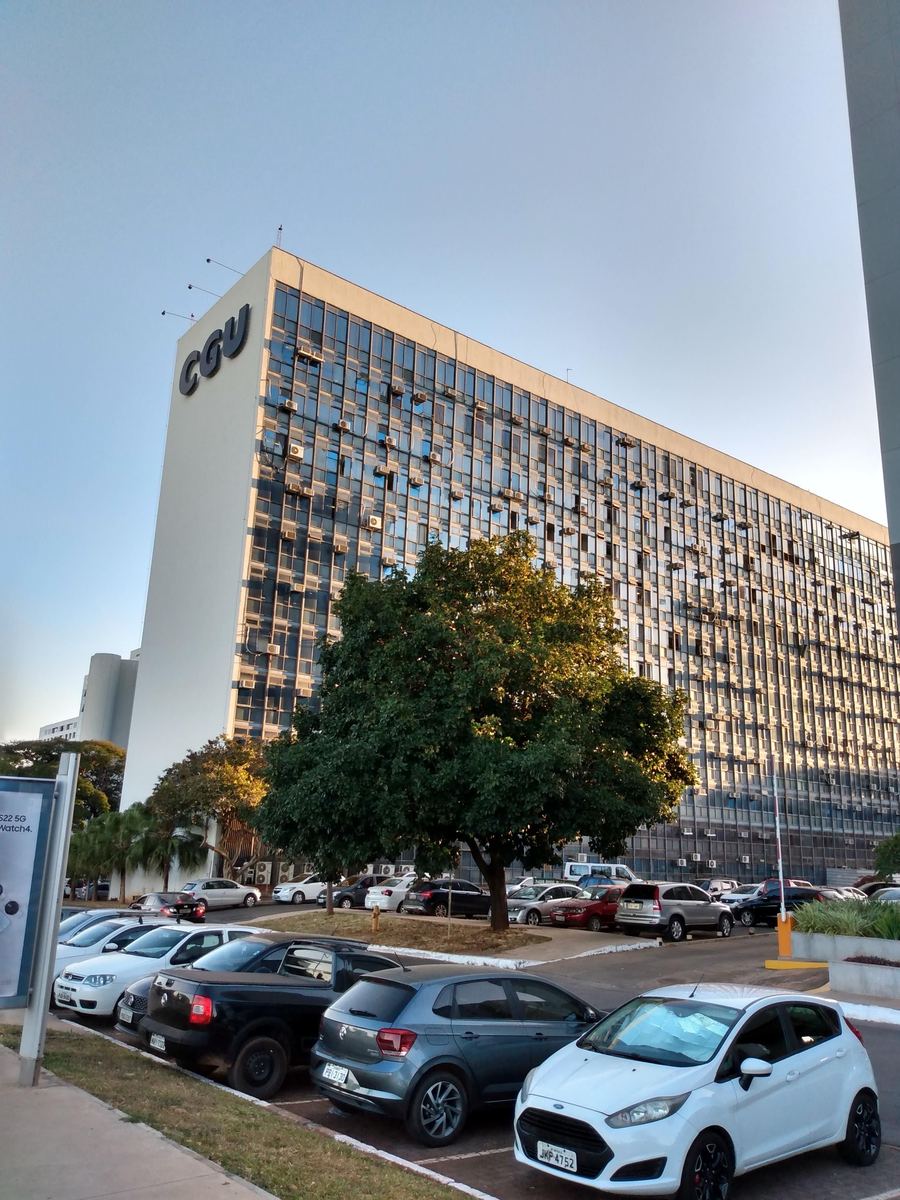
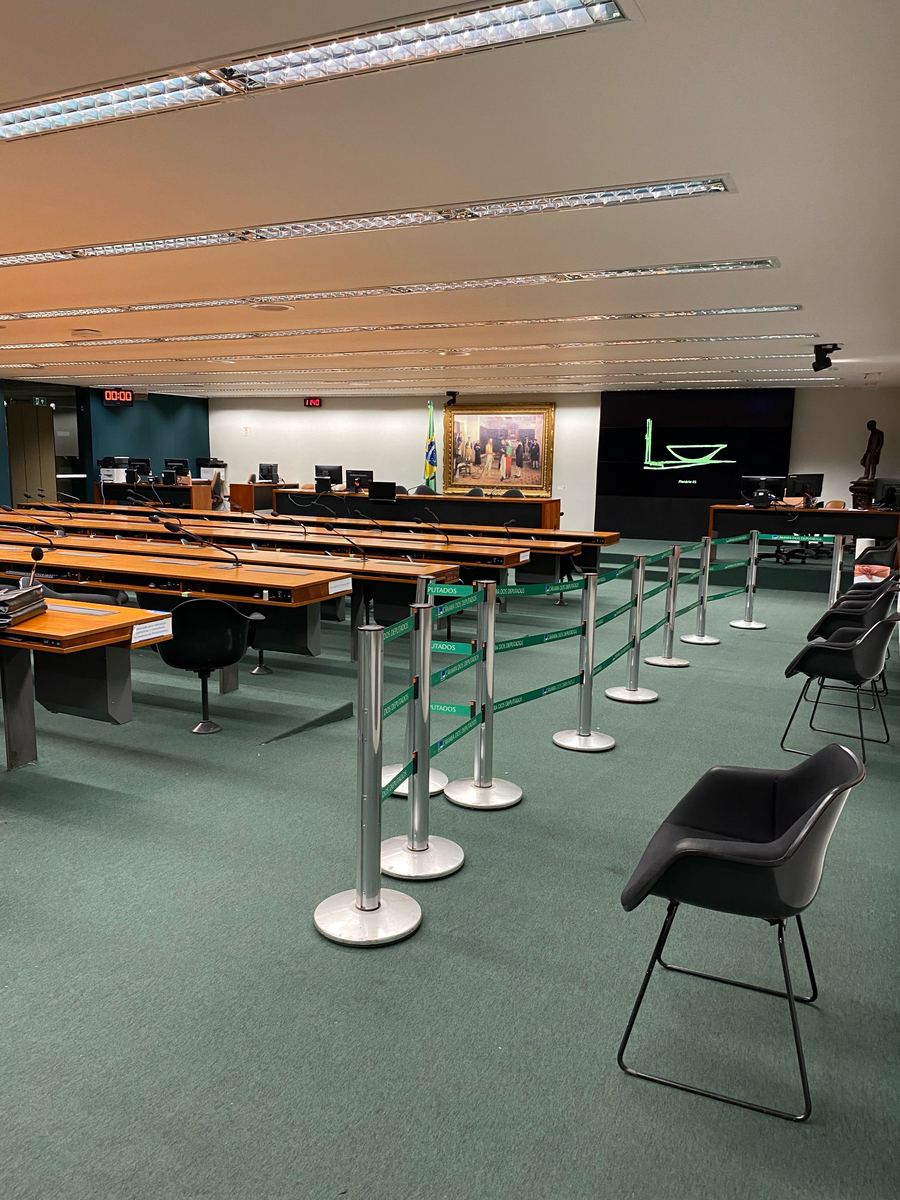
IDP, BrasíliaOne of my working sites; the university that hosted the conferenceConference sessionBrazil’s main public administration conference, June 2023Conference programme10th Brazilian Meeting of Public Administration (EBAP), 5–7 June 2023
Brasília, 2022
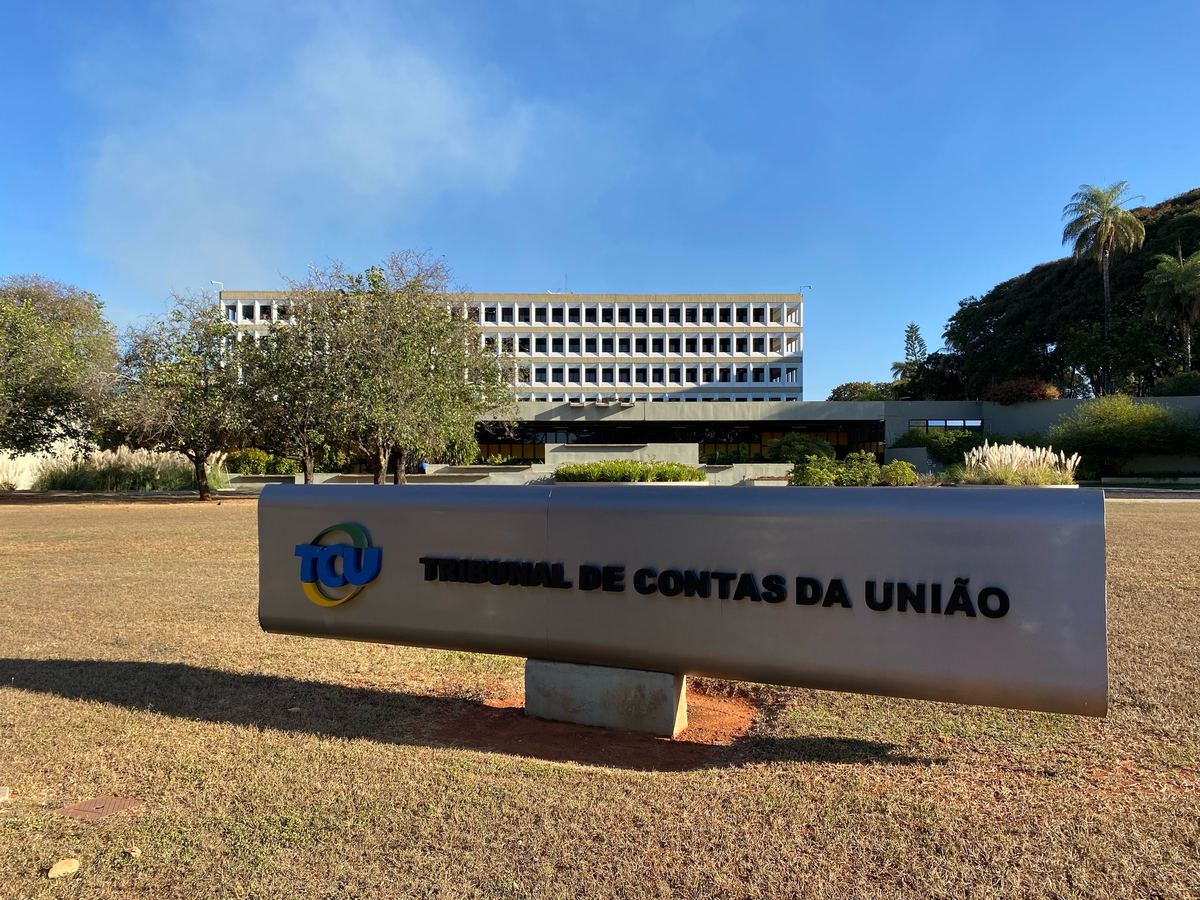
Twenty-seven interviews between 6 June and 27 July 2022: auditors and directors at the federal anti-corruption agency (11), auditors in the procurement unit of the federal audit court (3), legislative staff at the National Congress (2), a state comptroller’s office (2), the Ministry of the Economy and the National Treasury (1 each), academics (5) and civil-society staff (2).
Tribunal de Contas da UniãoBrazil’s federal audit court, which oversees how public money is spentControladoria-Geral da UniãoBrazil’s federal anti-corruption and internal control agencyInterview siteBrasília, 2022
Ilha do Marajó, Amazon, 2020
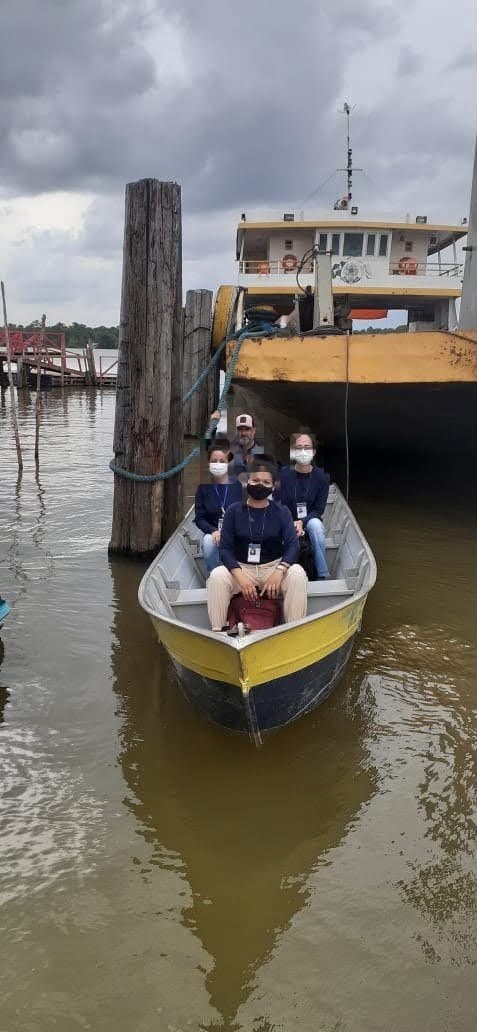
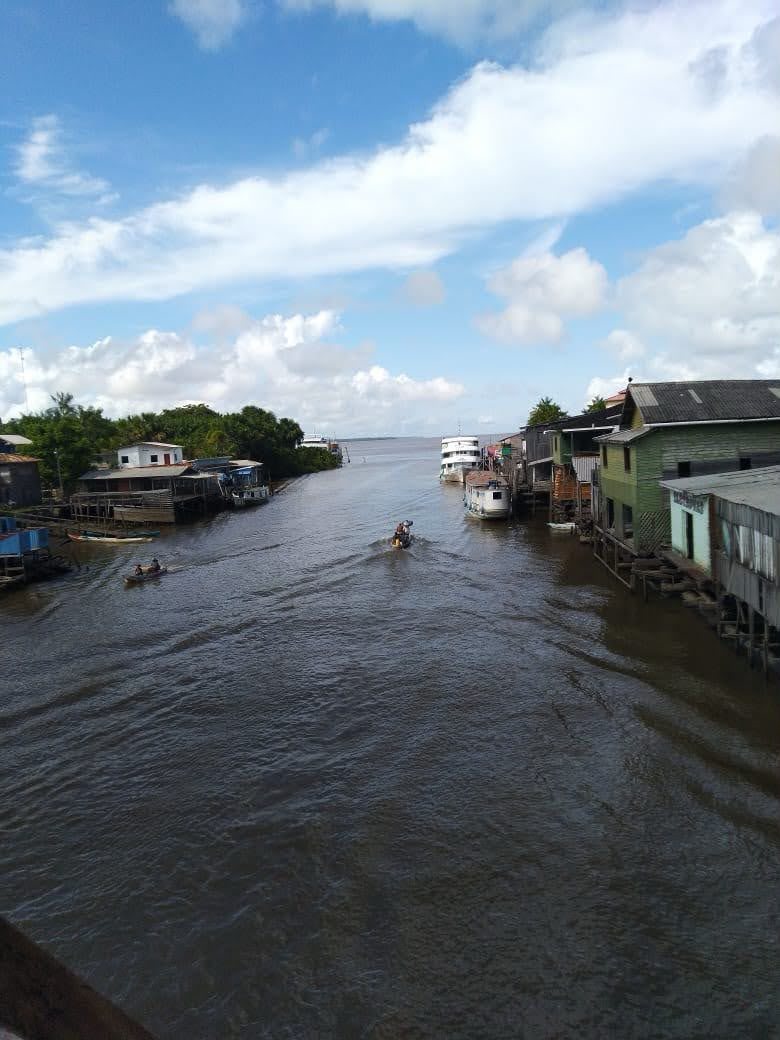
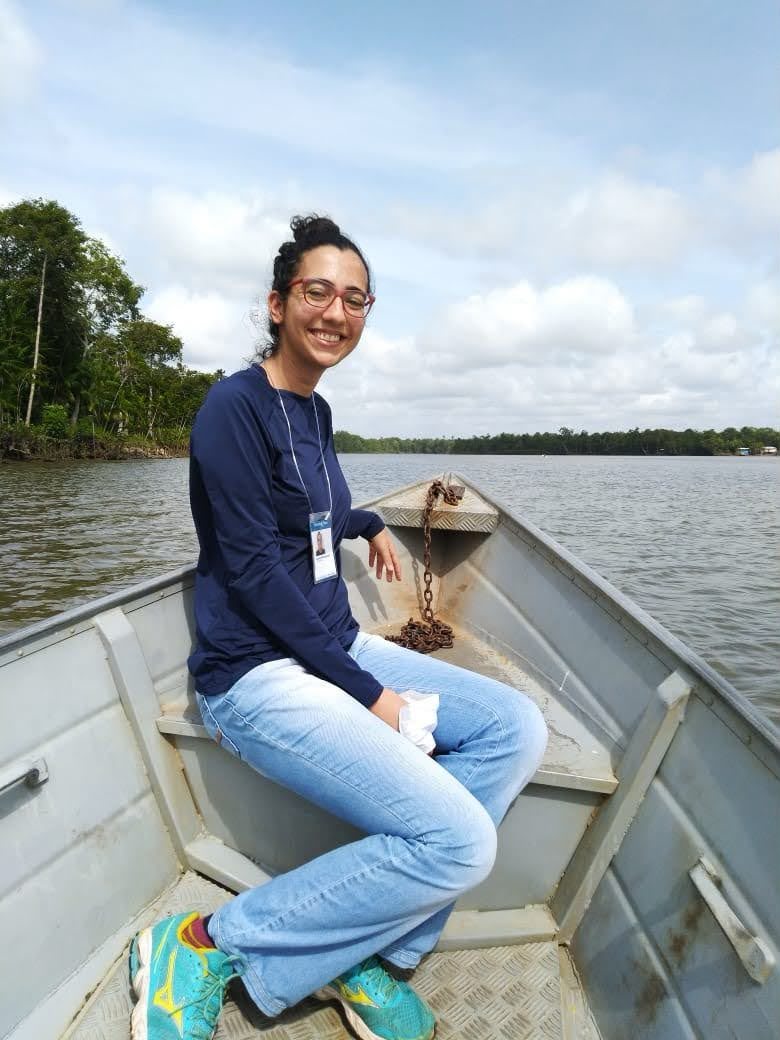
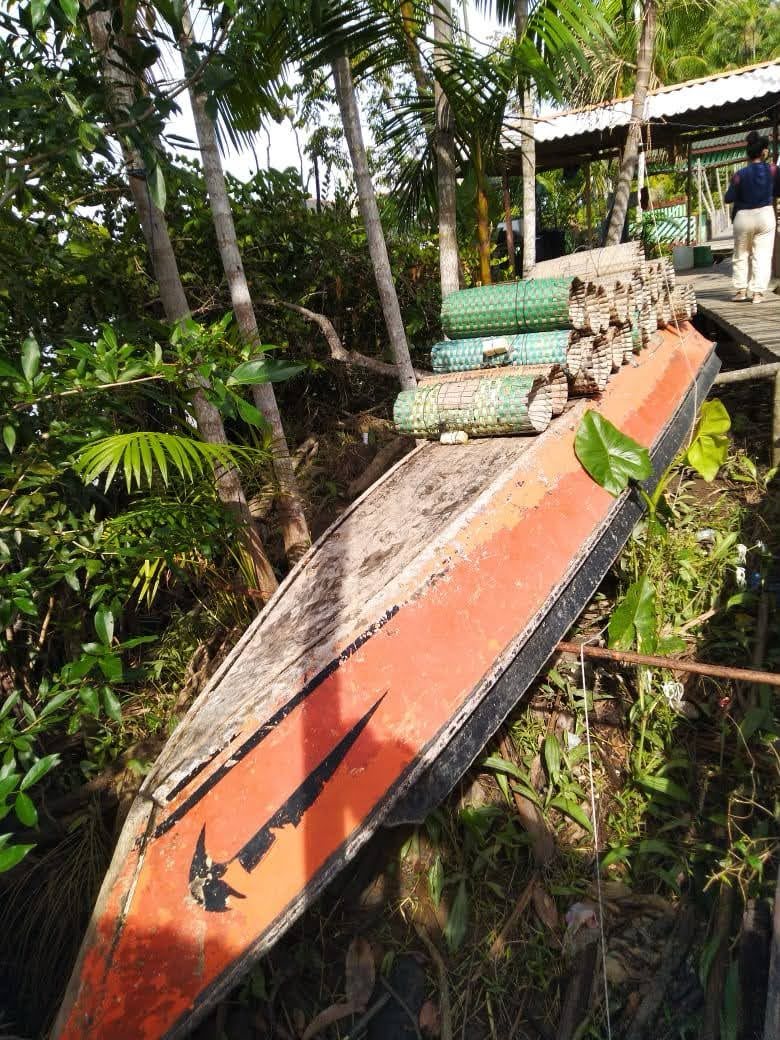
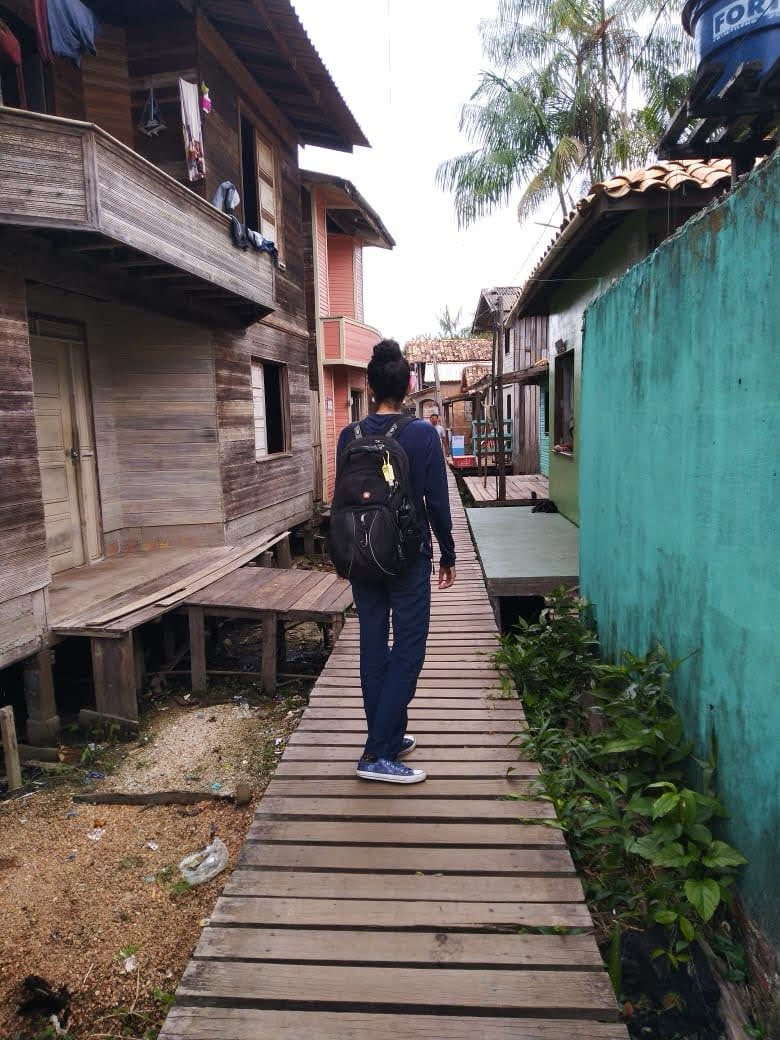
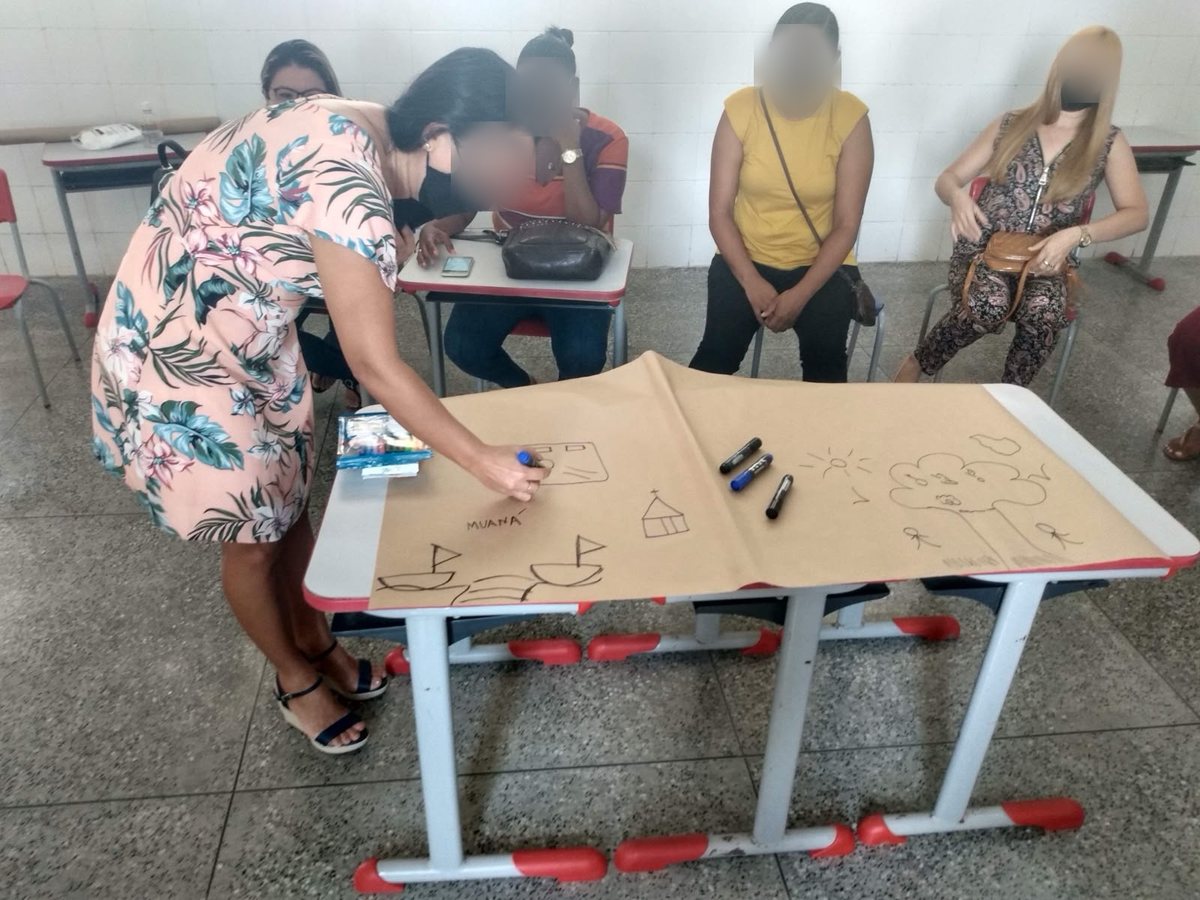
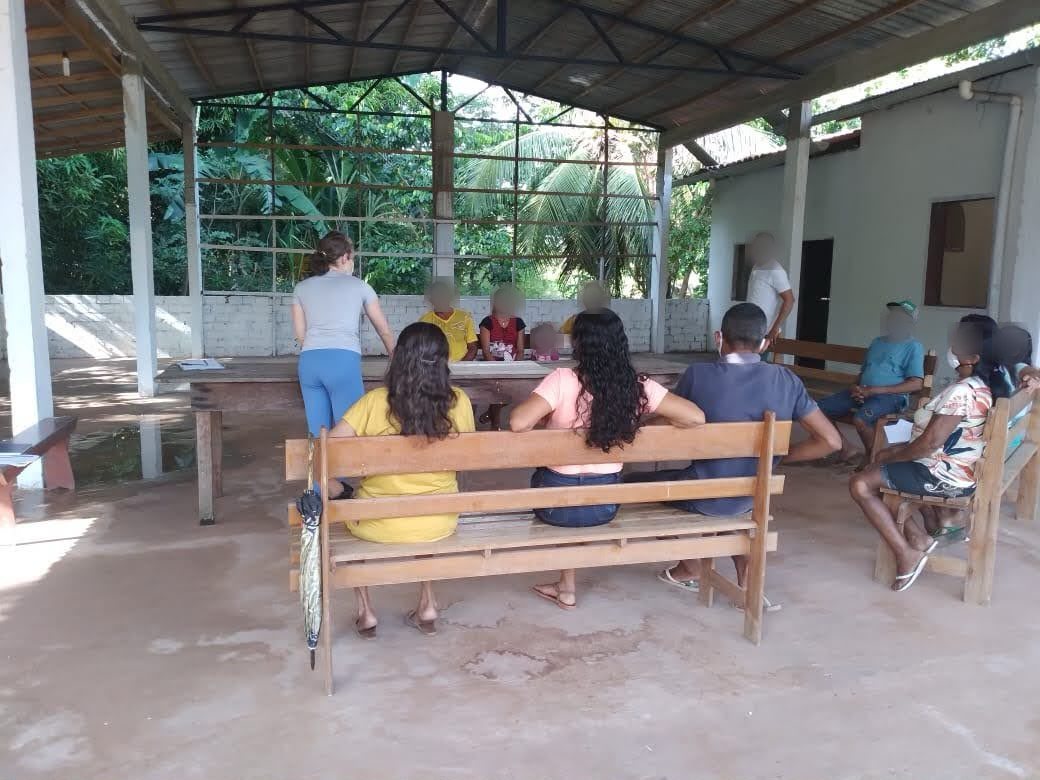
As part of a United Nations Development Programme project with Brazil’s federal government, I joined a field team conducting a situational diagnostic of the system that protects children and adolescents in the Marajó Archipelago, in the Brazilian Amazon. Marajó is home to the world’s largest fluvial-marine island, located at the mouth of the Amazon River where its waters meet the Atlantic Ocean. The region encompasses 16 municipalities and more than 100,000 square kilometers, much of it accessible primarily by river. The project was carried out under the federal government’s Abrace o Marajó programme and the National Secretariat for the Rights of Children and Adolescents, through the consultancy Herkenhoff & Prates.
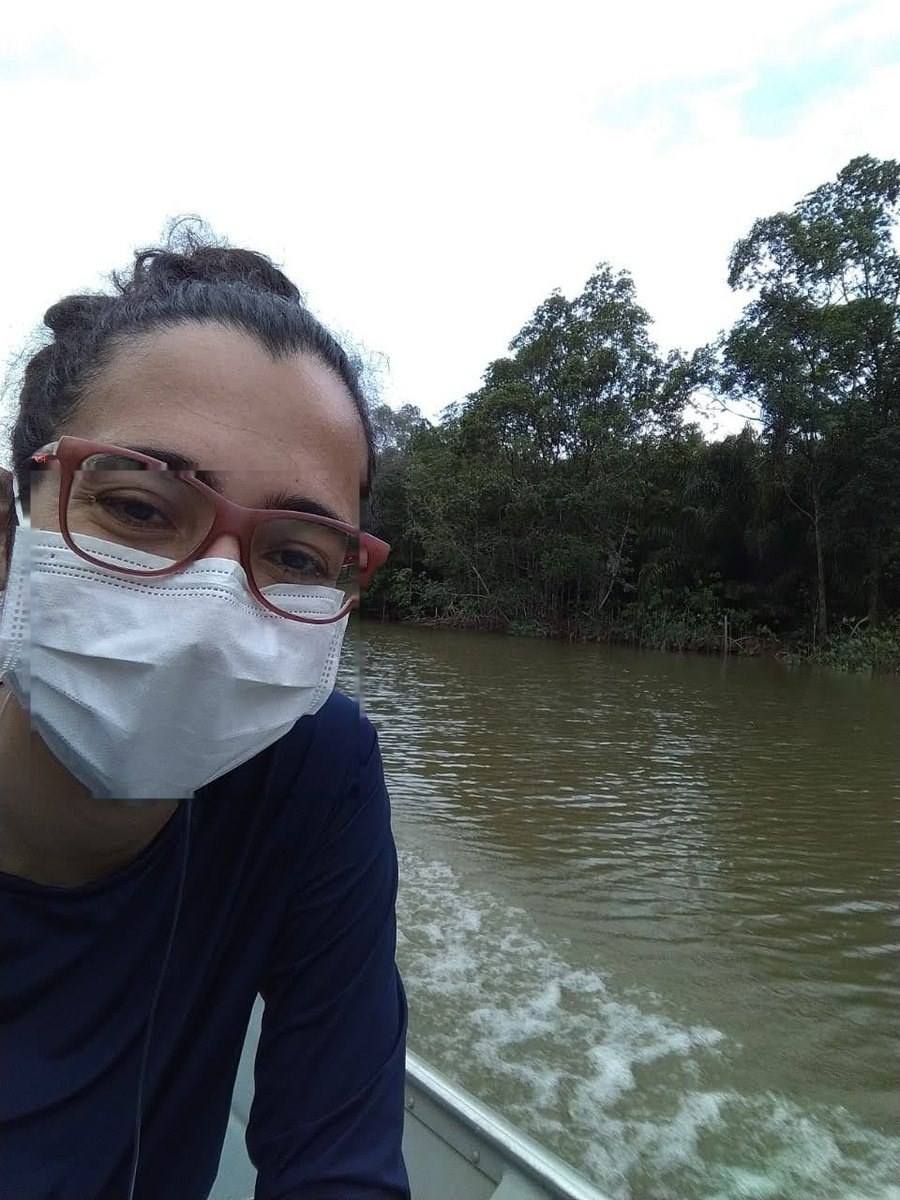
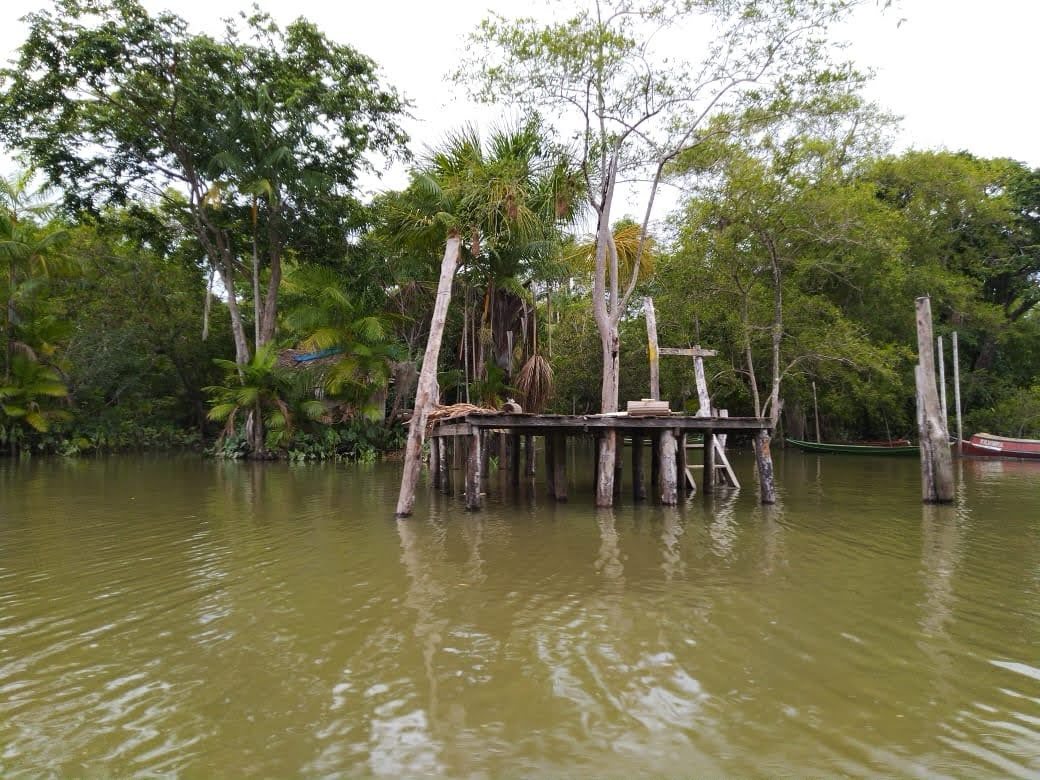
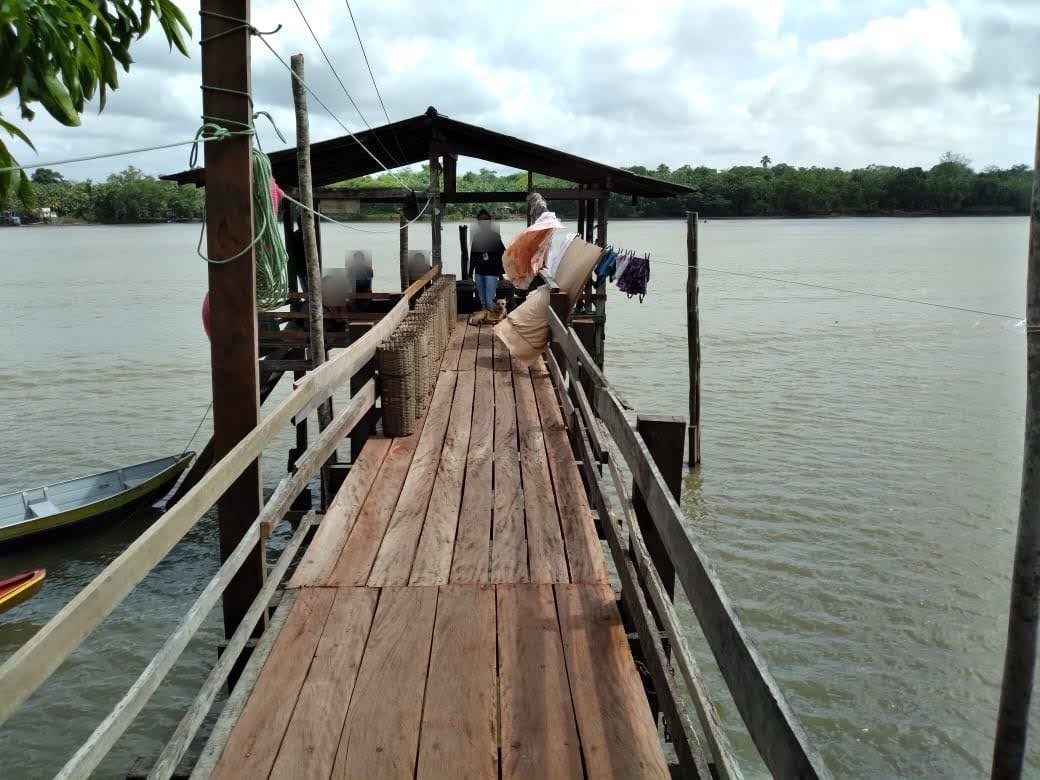
Our team traveled to all 16 municipalities, collecting 325 questionnaires, conducting 41 in-depth interviews with professionals at social-assistance centres and local organizations, and interviewing the guardianship council in every municipality. Most of the travel was by boat. The scale of the region is difficult to convey from outside: Portel, one of the municipalities we visited, covers more than 25,000 square kilometers—larger than the entire state of Sergipe. River crossings could take hours, and phone and internet signals were often intermittent. Teams therefore spent long stretches working out of contact with one another and with the central office. In a place where geography itself shapes whether and how people can reach public institutions, the logistics of fieldwork became part of understanding the system we were studying.
325questionnaires: 133 with children and adolescents, 192 with adults
41in-depth interviews with social-assistance professionals
The field team travelling by boatMost travel between municipalities was by riverMoving between municipalities by riverMarajó, an island region at the mouth of the AmazonCrossing by boatMarajó, Pará, 2020On the riverMarajó, Pará, 2020River crossingMarajó, Pará, 2020A river pierMarajó, Pará, 2020Canoe on the bankMarajó, Pará, 2020Walkways between stilt housesMarajó, Pará, 2020On the way to a community interviewMarajó, Pará, 2020Group activity with local participantsSocio-territorial diagnostic, Marajó, 2020Group interview at a community shelterMarajó, Pará, 2020At the marketMarajó, Pará, 2020
Hobby
Through the Lens
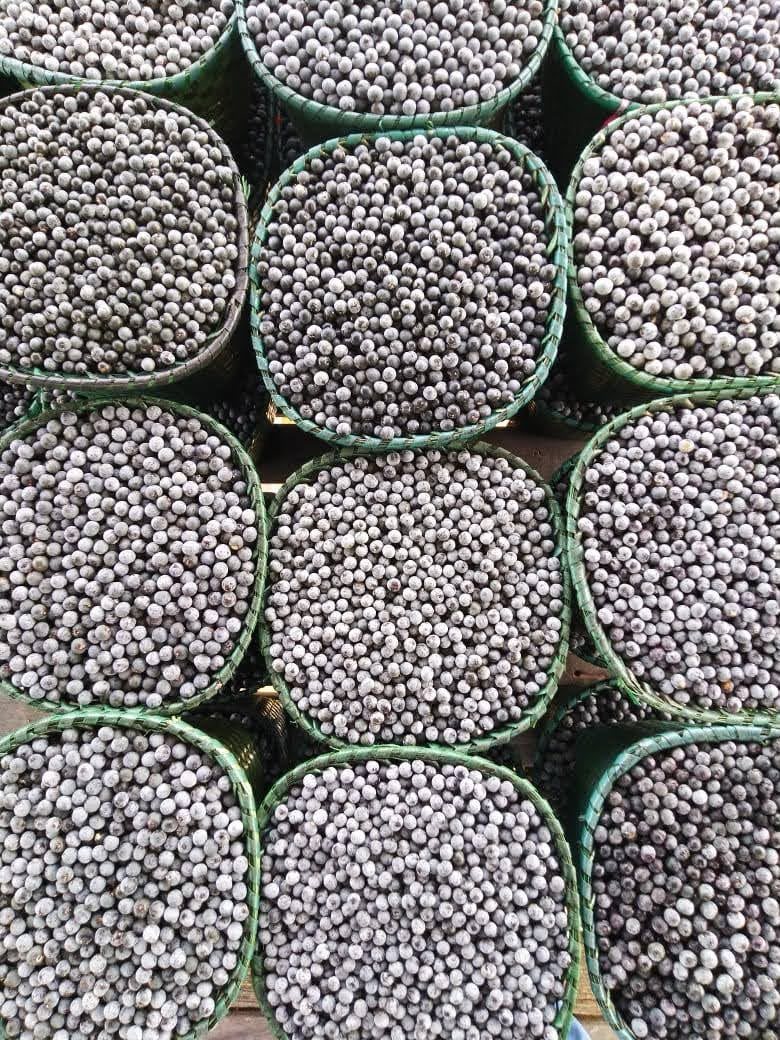
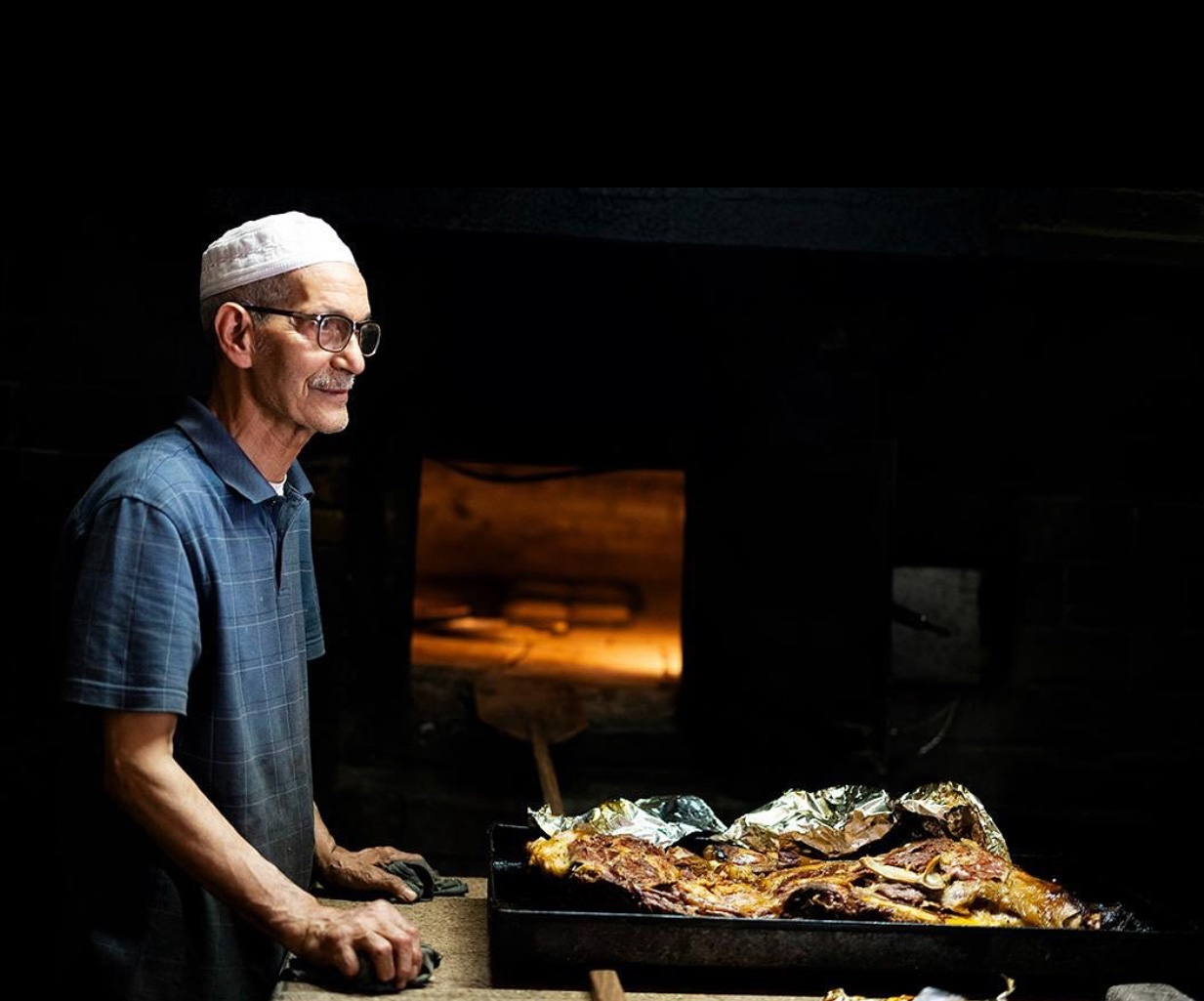
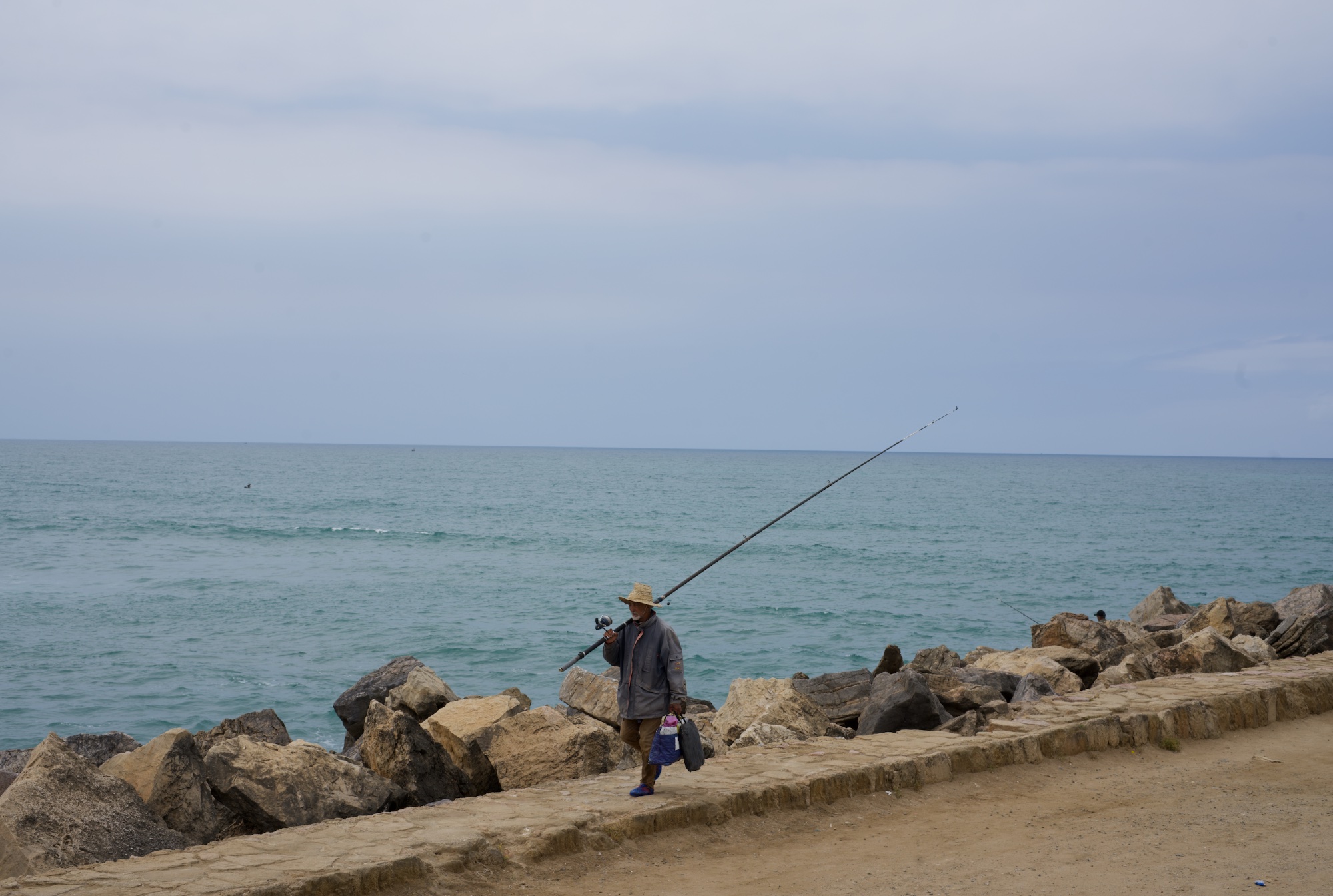
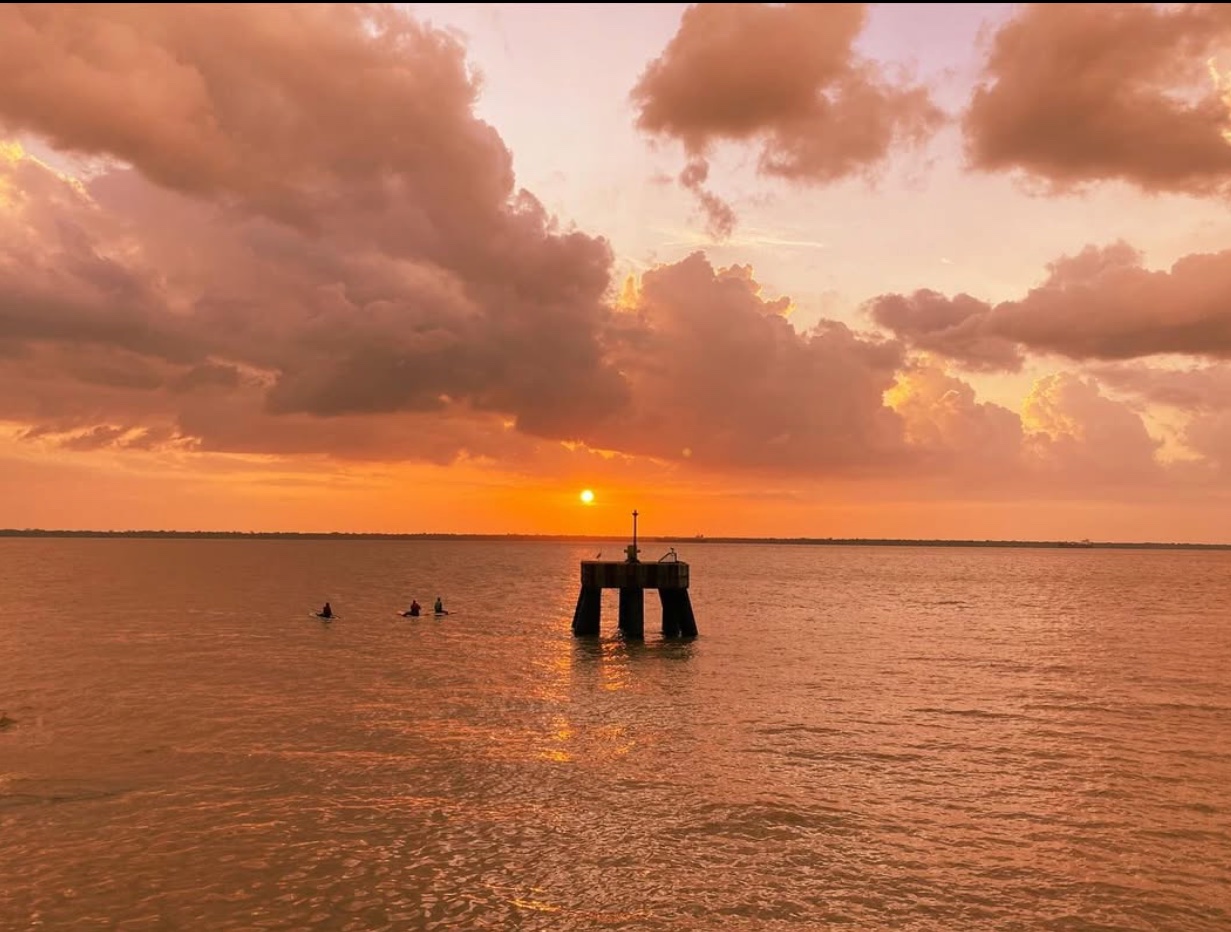
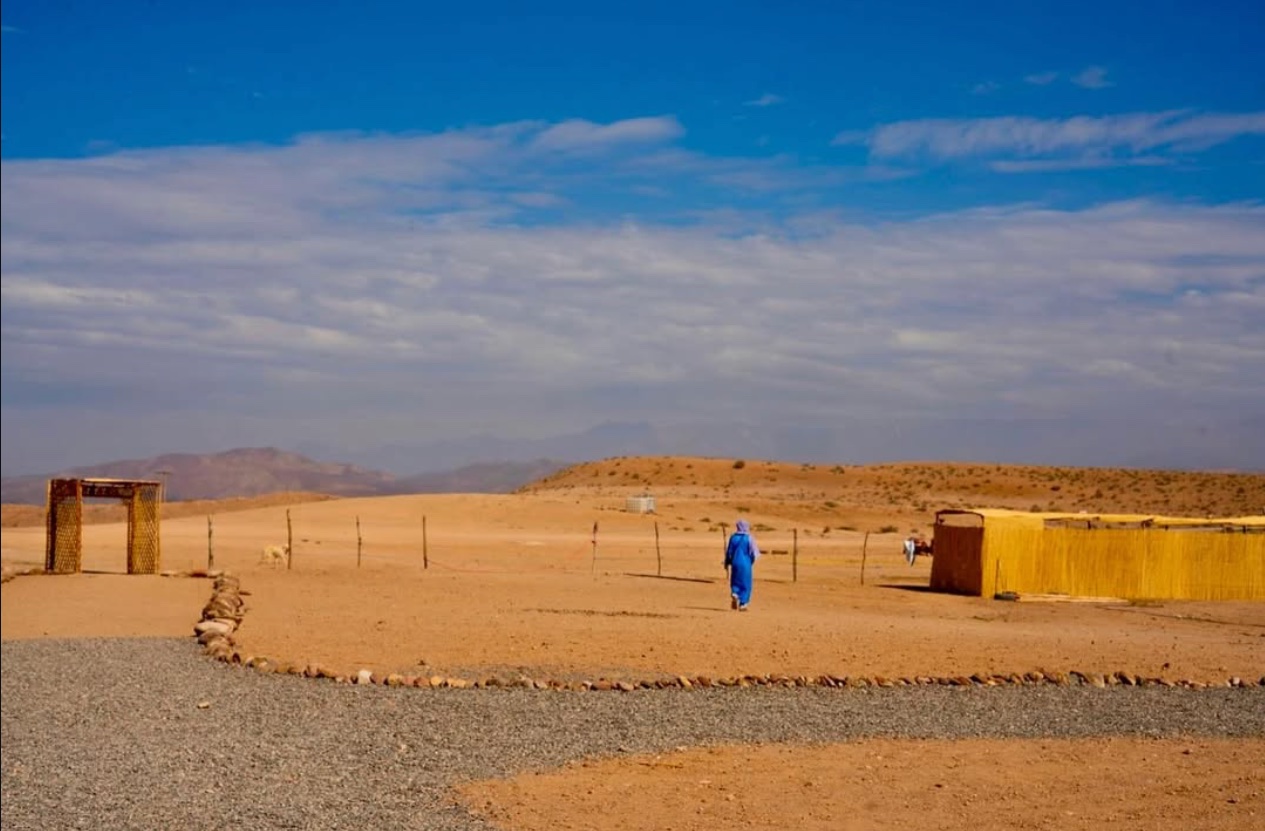
In addition to my research, I'm passionate about photography. Follow me at
@lifethroughbia on Instagram.
Contact
Get in touch
Schedule a meeting
Prefer to talk? Book a time that works for you and we'll connect.